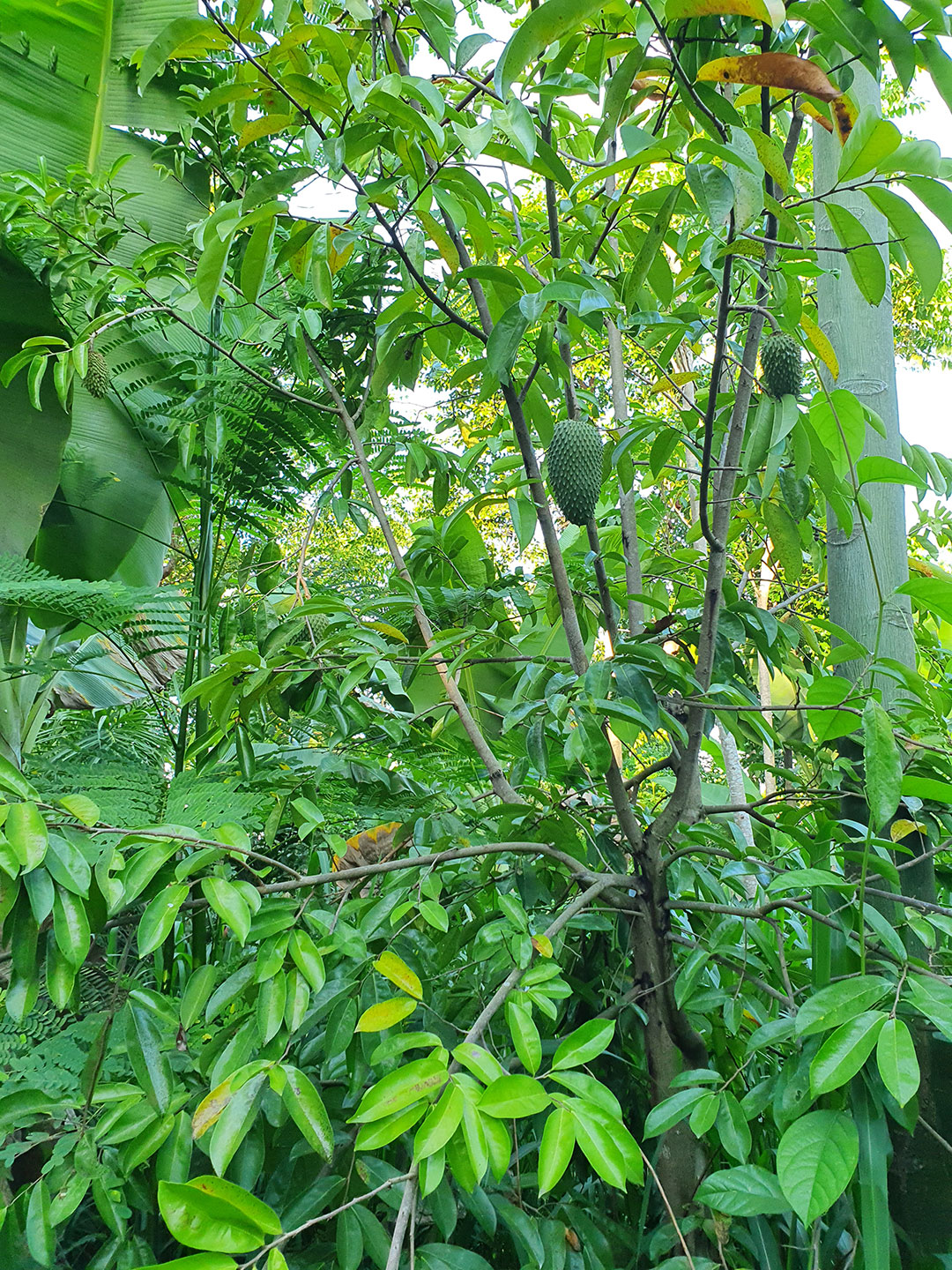
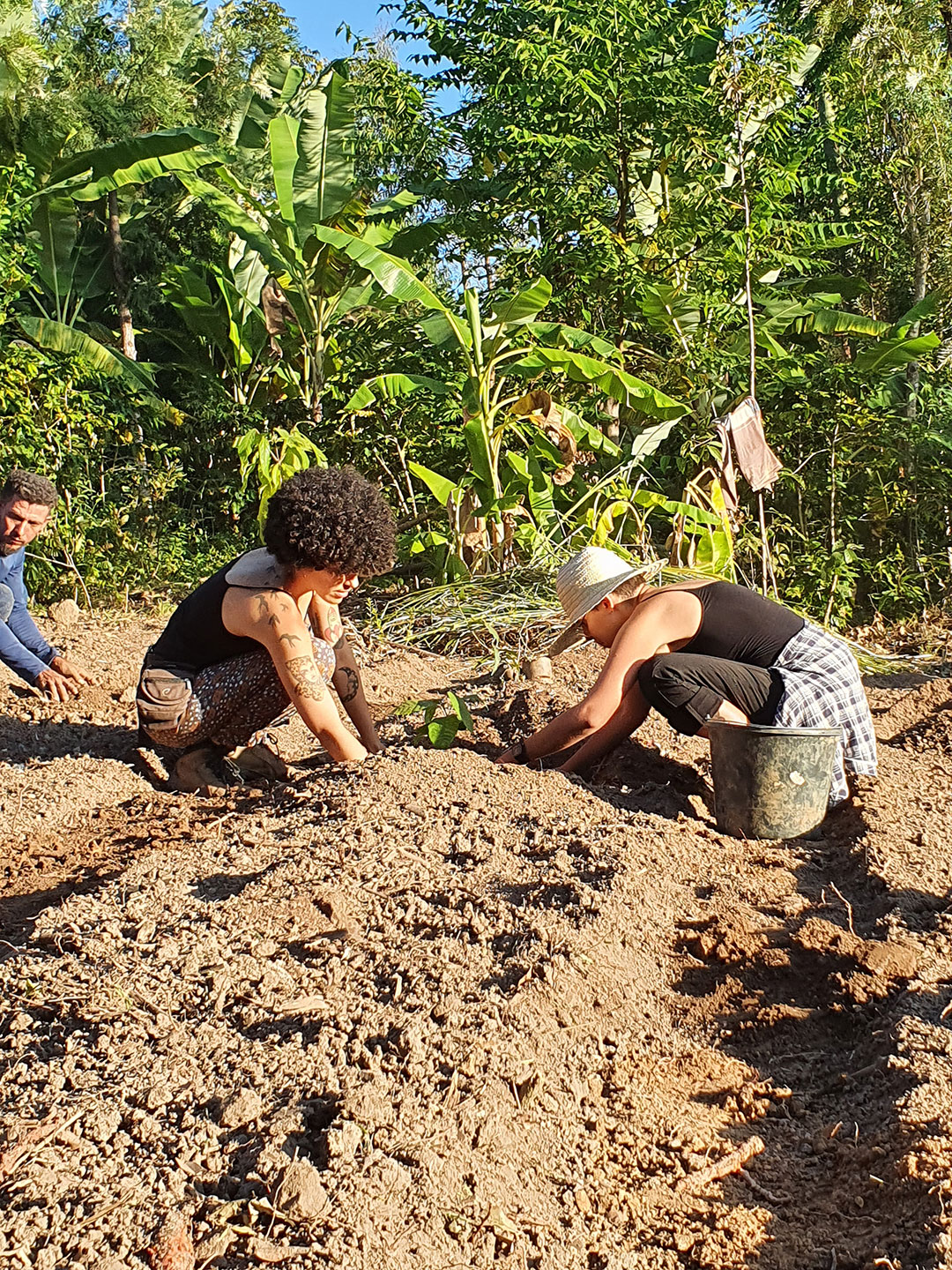
Let's meet our ecological producers and builders...

The group of producers is made up of units whose main focus revolves around rural production and the creation of value from the land.
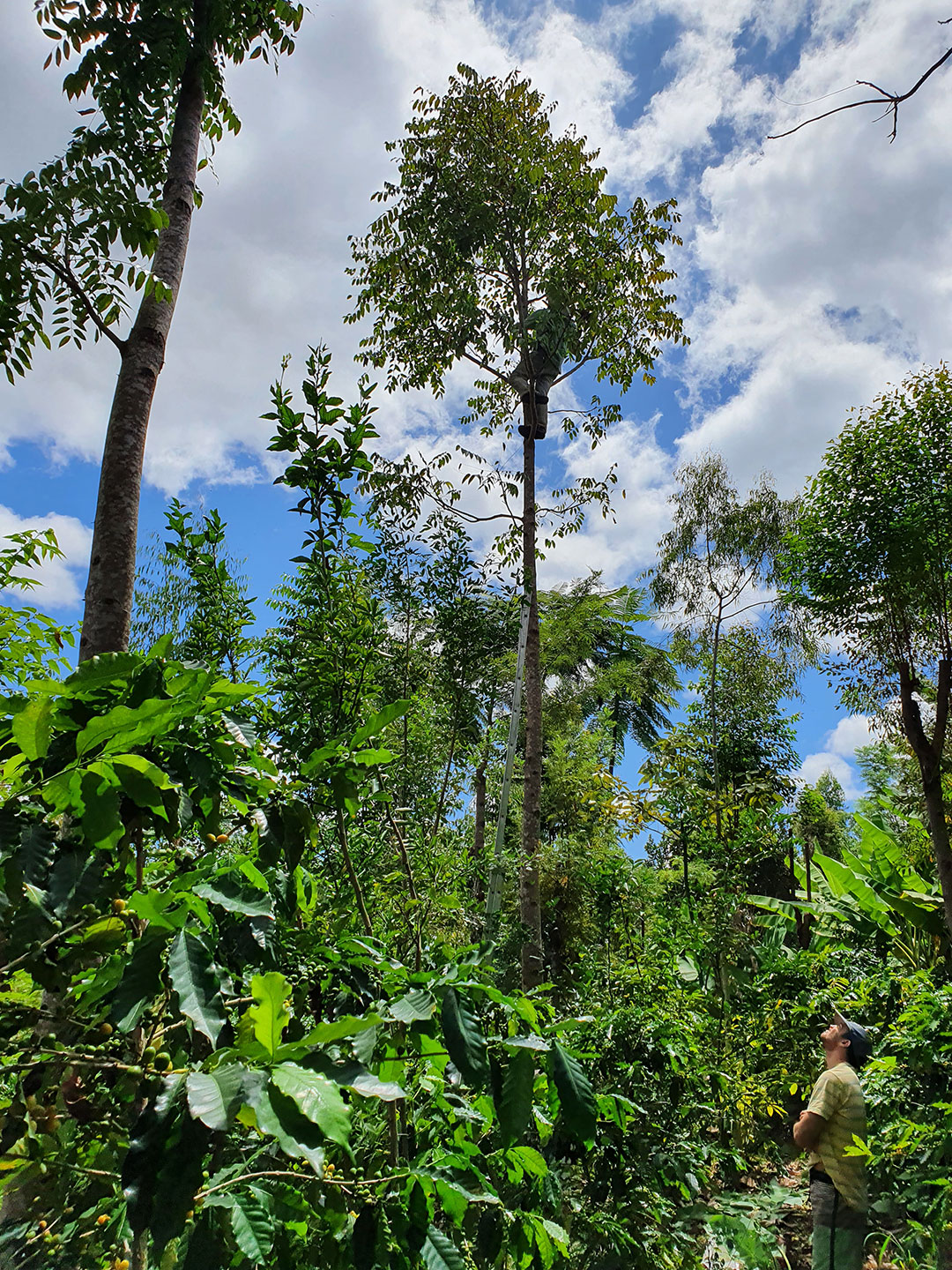
Looking on good work in the forest
Productive activity can be conceived in different ways, according to the customs and forms of organization of communities in their respective regions.In this sense, the production of an establishment or community can be destined either for domestic consumption only, or for external commercialization.In turn, the production units at EKONAVI are almost entirely rural (farms, ranches, homesteads, plant nurseries, indigenous territory, Quilombo/Maroon settlements, permaculture centers, ecovillages), with the exception of urban gardens .It is worth adding that, in addition to agricultural activities, many of the production units focus on bioconstruction and other productive practices linked to the crafts of architecture and engineering.
Thus, a striking feature of the producers is the characteristic of being bound by both planting and construction activities.In Brazil, productive activities take place in different ways, depending on the region and the customs of each place.According to the 2017 IBGE Agro Census, the total area used for agriculture in Brazil corresponds to 351 million hectares (41% of Brazil’s territory) and is composed of large, medium and small producers.
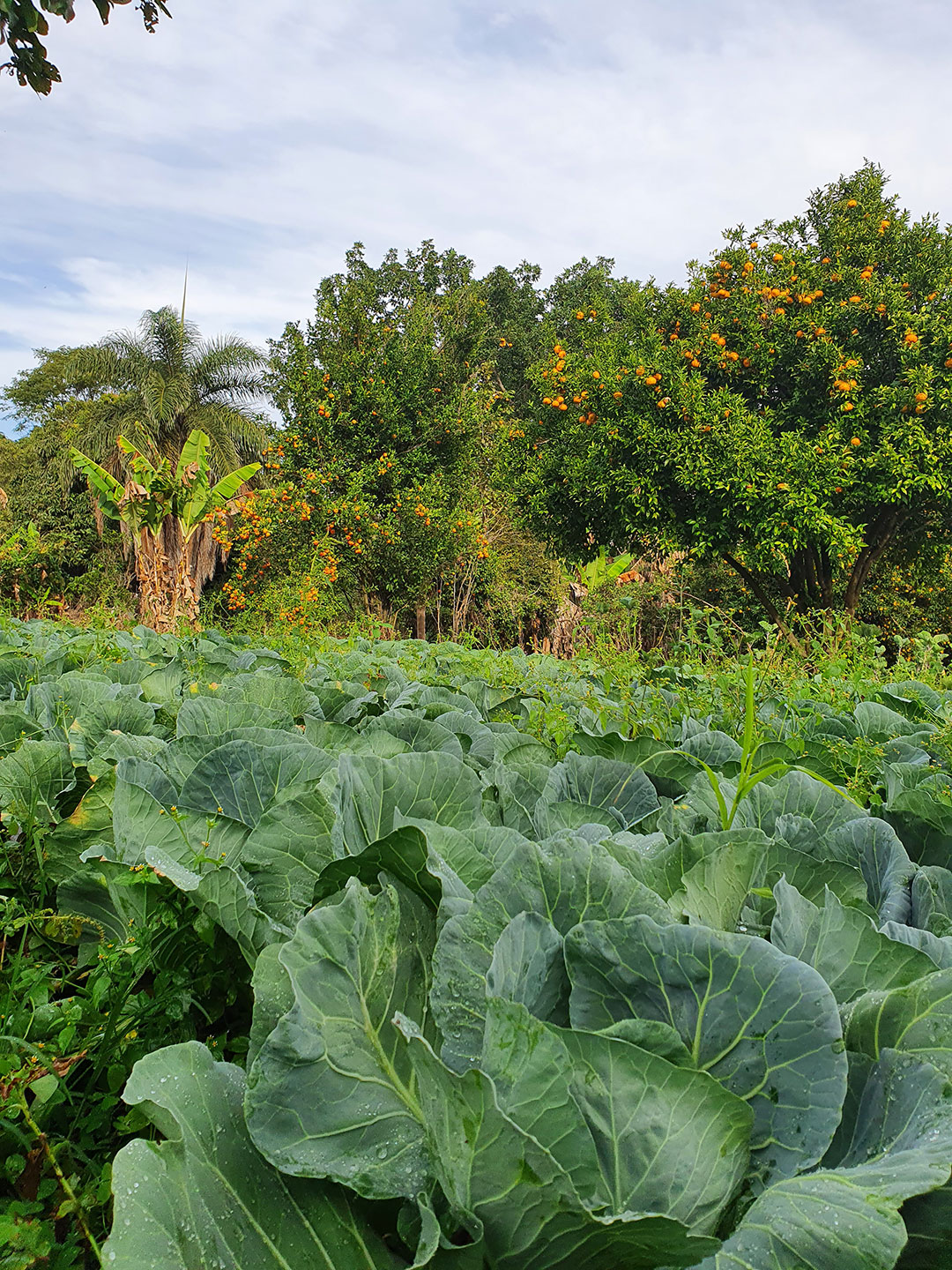
It should be noted that most establishments (77%) are family-owned farms, representing higher rates of labor, and where most of the food is produced.On the other hand, more than half of the area used for agriculture consists of large landholdings, which, in turn, rely on large-scale mechanized systems, with production largely intended for export.Finally, there is indigenous land reserves, which correspond to a total of 117 million hectares (13% of the national territory), where sustainable and regenerative activity prevails.At EKONAVI, the production units aim to develop ecologically-conscious rural systems, in search of productive autonomy and self-sufficiency.Thus, we can find the predominance of activities that mix all kinds of traditional, conventional, modern and rustic practices, around the objective of achieving an increasingly organic and agroecological production.In rural areas, agroforestry, composting, meliponiculture, essential oils, agroecology and permaculture practices can be found.In the area of ​​bioconstruction, there are farms, ranches and ecovillages that bring ecological construction as a strategic activity, connecting earth technologies in the preparation of housing and other buildings.
In indigenous villages, the ecological-extractive way of life is part of the identity of the original peoples, and their cultural heritage of timeless ancestral practices.As such, the activities of the diverse groups that make up Brazilian society express their symbiosis with nature, integral to better quality of life.The way of cultivating nature, through clearings in the forest, with the felling of larger trees for the cultivation of yuca, yams, corn, fava beans and jerimuns; planting among the stumps and fallen trunks, reveal characteristics of an abundant and sustainable agriculture, used in the agroforestry and regenerative systems.In addition, the agricultural practices developed by the indigenous people cannot be considered simply as ways of managing the land, but as integral to their traditions, customs and spirituality - their way of life.Furthermore, traditional forms of indigenous housing inspire bioconstruction producers, due to their characteristics of land use and forestry inputs.In the history of the country's first settlements, the “rammed earth method” for the construction of houses, churches, and various establishments became very well known, largely due to the mixture of Arab influences brought by the Portuguese, combined with indigenous customs.It is noteworthy that, over time, many buildings in Brazil still choose to adopt an architecture that combines this tradition with contemporary technologies, in the constant search for a balance between efficiency and sustainability.
In cities, productive activities can be found in the form of urban gardens, spread across the country's municipalities and towns.With the development of metropolises, a large part of the population began to concentrate in the urban environment, highlighting the need to grow food in these spaces, as a way of alleviating the effects of their distance from the rural environment.These gardens are presented in many ways, such as productive backyards, social spaces, commercial gardens and revitalized areas.Many cities have well-developed plans in this sector and encourage the proliferation of these spaces in their jurisdiction.However, despite this common goal, Brazil's large size and wide range of biomes imply that EKONAVI producers have different paths to follow to achieve their goals.Challenges witnessed in the field range from efforts to reverse biodiversity losses, as in the Portal da Amazônia region, to the rehabilitation of degraded urban or residential lots (creating small agroecological systems in urban and peri-urban areas).In regions historically exploited by agricultural activity, which for centuries adopted poor land management, using natural resources to their exhaustion, ecological systems play a fundamental role in the regeneration of rural activity.Subsequently, different Producer units have different needs. In drier regions, an irrigation process can be crucial to implement, for better growth potential, especially in the early stages after planting.In Amazonian regions, mainly where wild areas are constantly attacked and cut down, an agroforest can be a target of wild fauna, due to scarcity of habitat.Finally, in areas where nature and tree growth have been the most uprooted, flooding can be a greater concern than elsewhere.EKONAVI seeks to highlight each Producer in their uniqueness – both in the fruit of their work and in the challenges they face.Their work is increasingly relevant in the face of the unrest brought about by climate challenges, leaving no biome unchanged.Some studies show that ecosystem restoration plays a crucial role in limiting the impact of climate change, and the United Nations has even made it an integral part of its Sustainable Development Goals - #13 (climate action) and #15 (life on land).EKONAVI producers, through their work, aggregate SDGs #2 (zero hunger), #8 (decent work and economic growth), #11 (sustainable cities and communities), #12 (responsible production and consumption).
🏡 Criar Projeto
📣 Criar Publicação
📆 Criar Evento
🎁 Criar Produto